


Apakah seni bina kontena perkapalan?
Seni bina kontena penghantaran bermaksud menggunakan kotak keluli untuk membuat bangunan. Ini boleh menjadi rumah, pejabat atau ruang lain. Ia kuat, berpatutan dan baik untuk planet ini.
Berapa lama masa yang diambil untuk membina kontena penghantaran ke rumah?
Ia mengambil masa kira-kira 8-12 minggu untuk menyelesaikan satu. Masa bergantung pada seberapa besar dan terperinci reka bentuk itu.
Adakah penghantaran rumah kontena selamat?
Ya, mereka selamat jika dibina dengan cara yang betul. Menambah sokongan, penebat yang baik dan mematuhi peraturan memastikan mereka kuat dan selesa.
They can be designed in many ways, from simple to fancy.
Plan well; make a budget and learn local rules to save money.
Understanding Shipping Container Homes
What Is a Shipping Container Home?
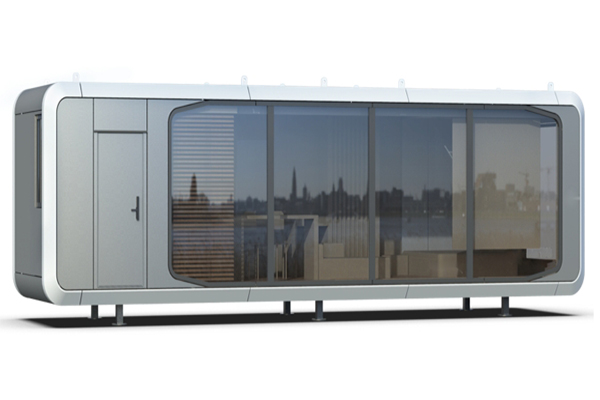
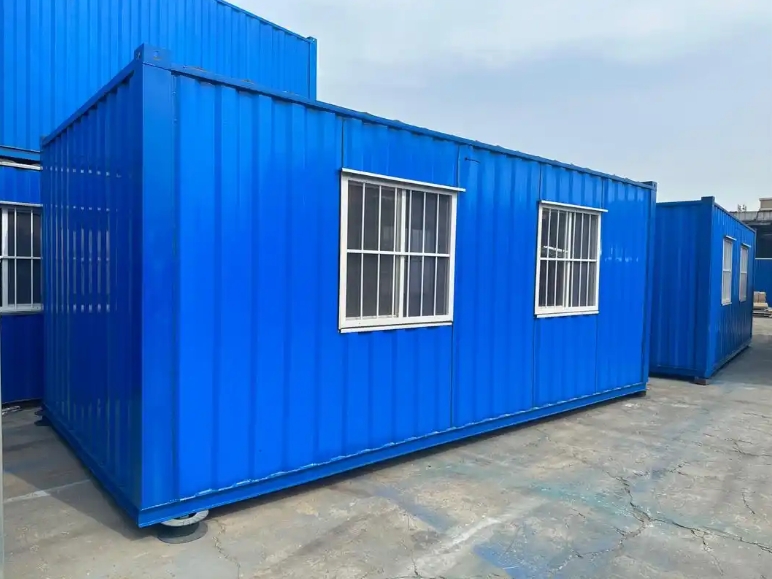
A shipping container home is made from steel containers. These containers were first used to move goods worldwide. They are strong and can handle bad weather. Turning them into homes makes useful and cool places to live. Some homes use one container, while others use many. You can design them simply or make them fancy and modern.
Benefits of Shipping Container Homes
Shipping container homes have many good points over regular houses. They cost less because materials and work are cheaper. Building them is quick, taking weeks or months. Each container reuses about 3,500 kilograms of steel. This helps the planet by using fewer new materials. There are about 24 million old containers ready to be used. These homes are great for small spaces in cities.
Why Shipping Container Homes Are Popular
More people like shipping container homes for many reasons. They are eco-friendly and fit a simple lifestyle. They are cheaper, which helps with high housing costs. You can change the designs to make them special and creative. Green homes, like these, often sell for more money. This makes them a smart choice for buyers.
Modern Shipping Container Home Designs
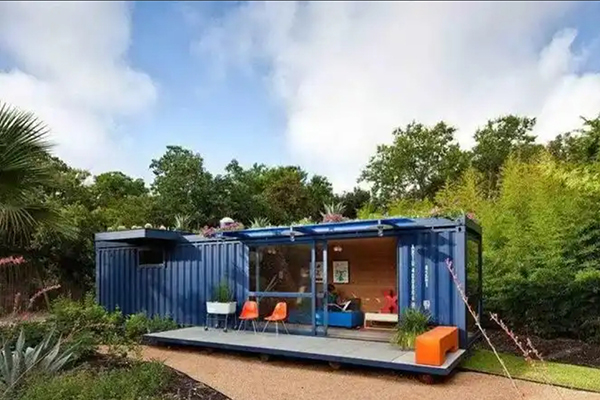
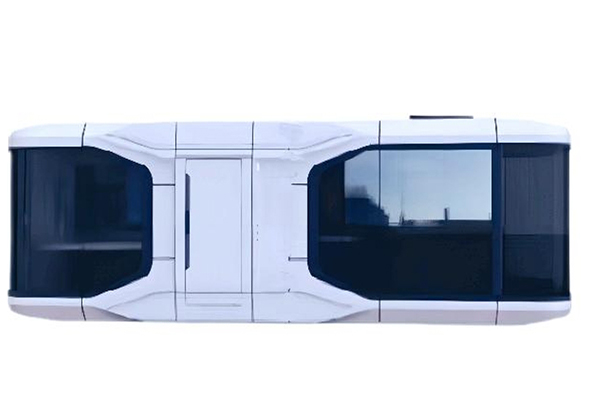
Modern shipping container homes have changed how we see housing. These designs mix creativity, usefulness, and eco-friendliness to make unique homes. Let’s explore some popular and creative styles.
Minimalist Shipping Container Home Designs
Minimalism is a big trend in housing today. Shipping container homes fit this trend well. These homes focus on simple designs and smart use of space. A minimalist container home often includes:
Open spaces without extra walls.
Clever storage to make the most of space.
Calm colors that feel welcoming and peaceful.
In 2023, the market for minimalist container homes was worth $7.09 billion. It is expected to grow by 8.4% yearly, reaching $14.65 billion by 2032. This shows more people want small, stylish, and efficient homes.
Eco-Friendly Shipping Container Home Designs
Eco-friendly designs are a big part of container homes. These homes reuse old materials and save energy. Key features include:
Solar panels for clean energy.
Systems to collect and save rainwater.
Green insulation to use less energy.
By reusing steel containers, these homes cut down on waste. They also need fewer new materials and leave a smaller carbon footprint. This design helps the planet and attracts people who want to live sustainably.
Modular and Expandable Designs
One cool thing about container homes is their flexibility. You can change or add to them as needed. Foldable container homes are easy to move and set up. Features of modular designs include:
Many ways to customize your home.
Quick building time, saving money and effort.
Easy to add or remove parts when needed.
Projects like foldable red container homes show how practical these designs are. They save on transport costs and help the environment. These homes are perfect for people who want flexible and creative options.
Luxury Shipping Container Home Designs
Luxury container homes show that style and eco-friendliness can work together. These homes have fancy designs and modern technology. Features of luxury designs include:
Big windows and skylights for lots of sunlight.
Stylish outside finishes that connect indoor and outdoor spaces.
Smart home systems for comfort and safety.
Luxury container homes turn steel boxes into elegant living spaces. They combine beauty, comfort, and care for the environment.
Tip: Think about your needs, budget, and future plans when choosing a design. Whether you like minimalist, eco-friendly, modular, or luxury styles, there’s a perfect option for you.
Building a Shipping Container Home: Key Considerations
Budget and Cost Planning
Start with a clear budget for your container home. Costs depend on size, design, and features. A small studio might cost $1,200–$10,000. A bigger four-bedroom home could cost $7,200–$60,000. Here's a simple cost breakdown:
Save extra money for surprises like insulation upgrades or moving containers. Planning well helps avoid unexpected costs.
Tip: Focus on must-have features first. Add extras like landscaping later.
Permits and Legal Requirements
Getting permits is important for building a container home. Check local rules before starting. These rules cover things like plumbing and foundation types. Permits usually cost $500–$2,000, depending on where you live.
The site matters too. Things like sunlight, land shape, and access affect placement. Experts can help follow the International Residential Code (IRC). This ensures safety, insulation, and structure rules are met.
Note: Skipping permits can lead to fines or even tearing down your home. Always work with local officials to stay safe.
Insulation and Climate Adaptation
Insulation keeps your container home comfy in any weather. Without it, homes get too hot in summer or too cold in winter. Closed-cell spray foam (ccSPF) works best. It keeps temperatures steady and blocks moisture.
Studies show ccSPF is great for hot, humid places. Straw insulation works well in summer but not in winter. Here's a quick comparison:
Green insulation materials are also a good choice. They save energy and help the environment.
Structural Modifications and Safety
Changing a container into a home needs careful planning. Safety is the most important part. Start by checking the container for damage. Welding inspections ensure joints are strong and meet AWS standards.
Here are some safety checks to follow:
A structural engineer can test the container’s strength after changes. Tools like RISA-3D software check stress levels. Physical tests confirm the home can handle weather and other pressures.
Tip: Always follow safety rules. Use the right tools and stay careful during construction.
Sustainability in Shipping Container Homes
Recycled and Sustainable Materials
Shipping container homes are great for reusing old materials. Each container saves thousands of kilograms of steel. This reduces waste and keeps landfills less crowded. Using recycled materials means fewer new resources are needed. This helps the planet and lowers building costs. Reusing materials also cuts harmful emissions, fighting climate change. Homes made this way often use less energy, helping create a greener world.
Renewable Energy Solutions
These homes work well with renewable energy systems. Solar panels give clean energy and lower utility use. Wind turbines and geothermal systems can also save energy. Many container homes can work off-grid, perfect for remote areas. They have a smaller carbon footprint than regular houses. Adding renewable energy makes them a great example of eco-friendly design.
Water Conservation and Green Features
Container homes are smart about saving water. They use systems like rainwater collection and graywater recycling. For example, container farms use tech to control water use and grow crops. These systems are used in over 40 countries, proving their success. Green features like these save water and cut utility bills. This makes container homes both useful and eco-friendly.
Reducing Environmental Impact
Container homes help the environment in many ways. They reuse materials, needing fewer new resources. Their designs save energy and lower carbon emissions. Renewable energy systems make their footprint even smaller. Here’s how they compare to regular homes:
These homes show how eco-friendly ideas can change housing. They offer a smarter and greener way to live.
Inspiring Shipping Container Home Designs
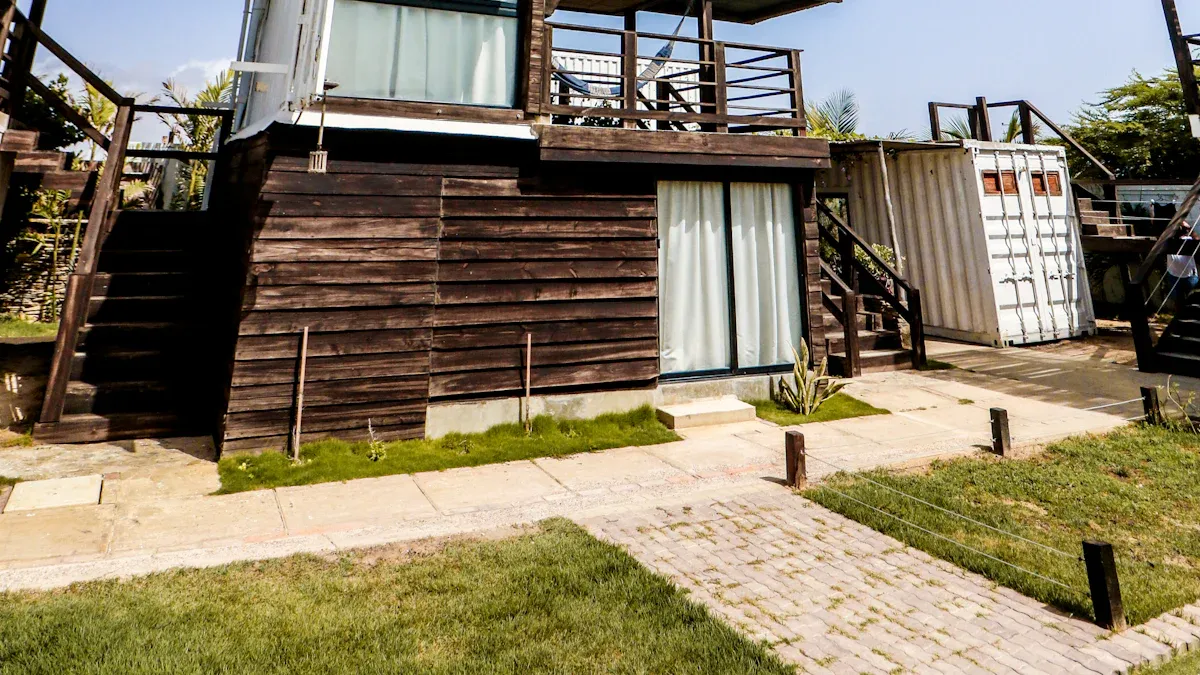
Tiny Shipping Container Homes
Tiny container homes are changing how people live today. These small homes are great for saving money and helping the planet. The market for container homes is growing fast. It is expected to rise from USD 72.07 billion in 2024 to USD 117.49 billion by 2032. This is a yearly growth of 6.3%, driven by high housing costs and eco-friendly trends.
Why do people love tiny container homes? They are cheap and flexible. New technology makes it easy to design them to fit personal needs. Smart storage and furniture that serves many purposes make the most of the space. These features keep the homes comfy and practical.
Tip: Tiny container homes are great for those who like simple living and want to help the environment.
Multi-Container Homes
Multi-container homes show how creative container designs can be. By using several containers, families or groups can have bigger spaces. This trend is growing, with the market expected to hit USD 109.4 billion by 2032, growing 5.9% each year.
These homes often use smart layouts, like cross-shaped designs for strength. Using four containers is a low-cost way to build. Adding natural-looking outside finishes helps them blend into their surroundings. Multi-container homes mix style and usefulness, making them a top choice for modern families.
Off-Grid Shipping Container Homes
Off-grid container homes are perfect for people who want to live without regular utilities. They use solar panels and wind turbines for power, making them self-sufficient. These homes are especially popular in faraway places where utilities are hard to get.
They also save water with rainwater collection and graywater recycling systems. These features lower bills and help the planet. Off-grid container homes show how smart designs can support green living while offering unique lifestyles.
Urban and Suburban Designs
Urban and suburban container homes are changing how cities look. In cities, these homes use small spaces wisely while staying functional. In suburbs, larger designs with open layouts offer a fresh take on traditional homes.
Urban homes often have rooftop gardens and big windows for natural light. Suburban designs focus on outdoor areas, connecting indoor and outdoor spaces. These homes show that container designs can work in any location and for any lifestyle.
Note: Urban and suburban container homes prove how flexible these designs are, fitting different needs and places.
Tips for Starting Your Shipping Container Home Project
Planning and Research
Starting a shipping container home needs good planning. First, check local building rules and zoning laws. These rules differ by location and may affect your project. Next, think about your goals. Do you want a simple retreat, an off-grid home, or the best container home in your area? Knowing your vision early helps you pick designs and features.
Make a detailed plan for your project. Split it into steps like preparing the site, picking containers, and building. This keeps things organized and easier to manage. Online forums and DIY groups are great for advice and ideas.
Tip: Visit finished container homes nearby to learn what works well.
Choosing the Right Containers
Picking the right containers is very important. Always check containers for damage. Look for rust, dents, or holes that might weaken them. Containers made of Cor-Ten steel are best because they resist rust and bad weather.
Here are some things to check:
Make sure the container is waterproof by inspecting seals and edges.
Pick containers with locks for extra safety.
Choose strong containers if building in tough weather areas.
You can customize containers by adding windows or insulation. This makes them more comfortable to live in.
Hiring a Contractor or Builder
While some people like DIY projects, hiring a contractor can ensure safety. Look for builders who know about container homes. They understand challenges like welding and insulation. They can also help with permits and building codes.
When choosing a contractor, ask for references and past work examples. A good contractor will give a clear timeline and cost estimate. This helps avoid surprises later.
Note: Even if you do some work yourself, get expert advice for big changes.
Managing Budget and Timeline
Managing your budget and timeline is key to success. Use cost estimation methods to control spending. For example:
Save extra money for surprises like delays or upgrades. Track your progress to stay on schedule.
Tip: Start with must-have features. Add extras like landscaping later to save money.
Shipping container homes are flexible and good for the planet. They cost less to build, are easy to set up, and help the environment. The global market for these homes is growing fast. It is expected to rise from $61.7 billion in 2022 to $109.4 billion by 2032, with a yearly growth of 5.9%.
There are over 14 million unused containers ready to use. This makes building these homes cheaper and easier. Try out creative designs and enjoy the fun of making your own space. These homes show how style and eco-friendliness can work together, offering a better way to live.
Tip: Begin with a small project and let your ideas grow! 🌱
FAQ
What is shipping container architecture?
Shipping container architecture means using steel boxes to make buildings. These can be homes, offices, or other spaces. It’s strong, affordable, and good for the planet.
How long does it take to build a shipping container home?
It takes about 8-12 weeks to finish one. The time depends on how big and detailed the design is.
Are shipping container homes safe?
Yes, they are safe if built the right way. Adding support, good insulation, and following rules keeps them strong and comfy.